Designed for integration. Now SAPIENT compliant.
In early March, our team worked with the British Army to put our systems through the SAPIENT validation process. The goal was to prove our systems can operate inside a modern defence architecture: sensors, drones, radars and command systems working together in one operational environment.
Following that process, our systems successfully completed SAPIENT compliance and interoperability testing. The US-UK declaration on counter-UAS standards announced at the beginning of March reinforces this direction, and it is a testament to our technical team that we already meet this integration standard.
To date, most of our work has focused on engineering, testing and deployment rather than public communication. In this sector, capability comes first. But milestones like this one are worth sharing.
What SAPIENT means in practice
SAPIENT is a UK MOD-owned open architecture designed to enable sensors, interfaces, decision-making modules and command systems from different organisations to work together within a shared operational environment.
Interoperability is central to defence planning. There is now a stronger focus on open architectures, common data standards and structured testing to enable rapid integration into operations.
Counter-UAS capability is a clear example. Sensors, effectors and command systems must operate together. Our systems were designed with integration and operational reliability in mind from the start.
The key takeaway from validation was not the result. It was confirmation that our systems can operate inside real operational ecosystems. Technology that works in complex networks is what gets deployed.
This principle runs through everything we build.
Kestrel: system architecture for counter-UAS
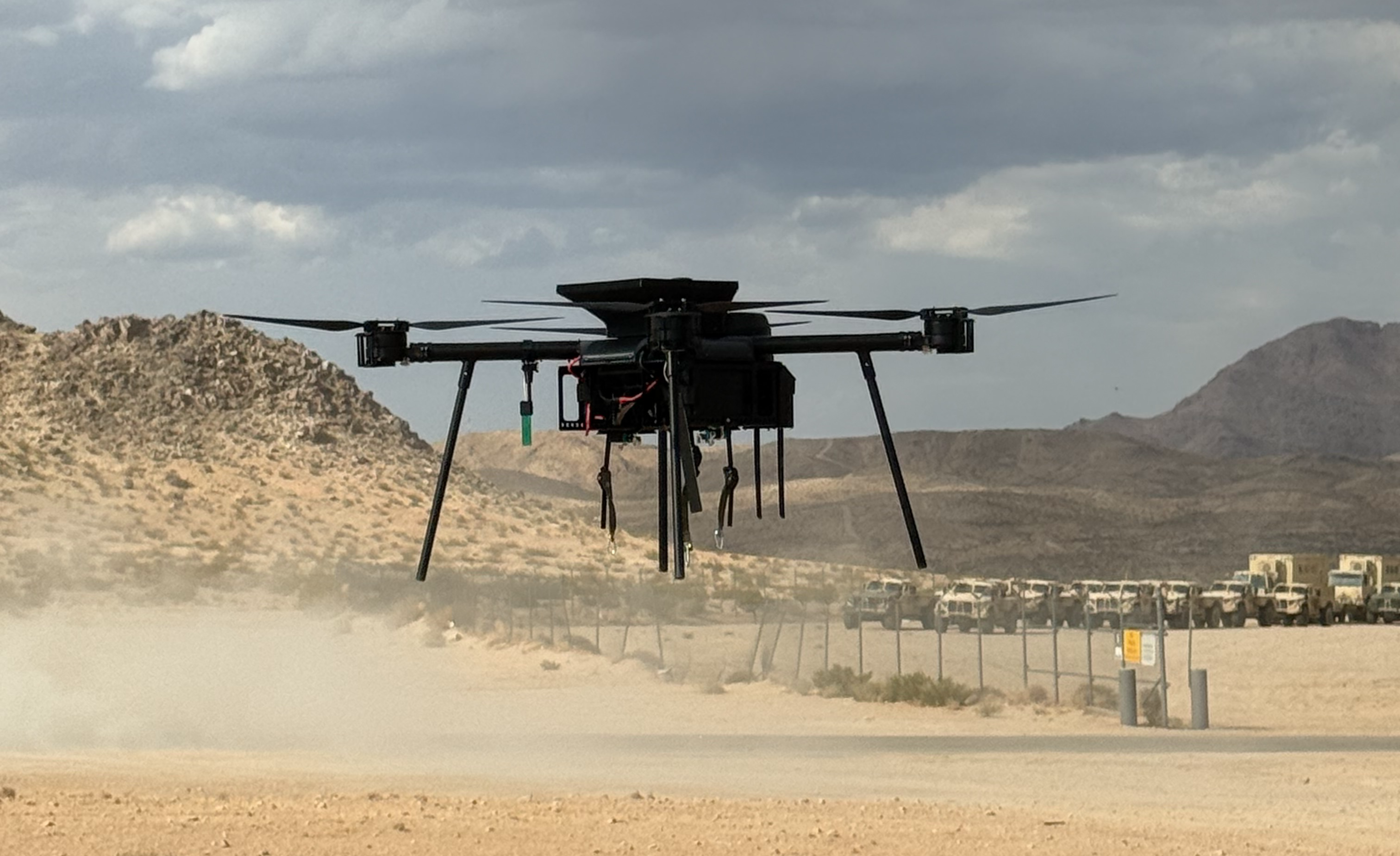
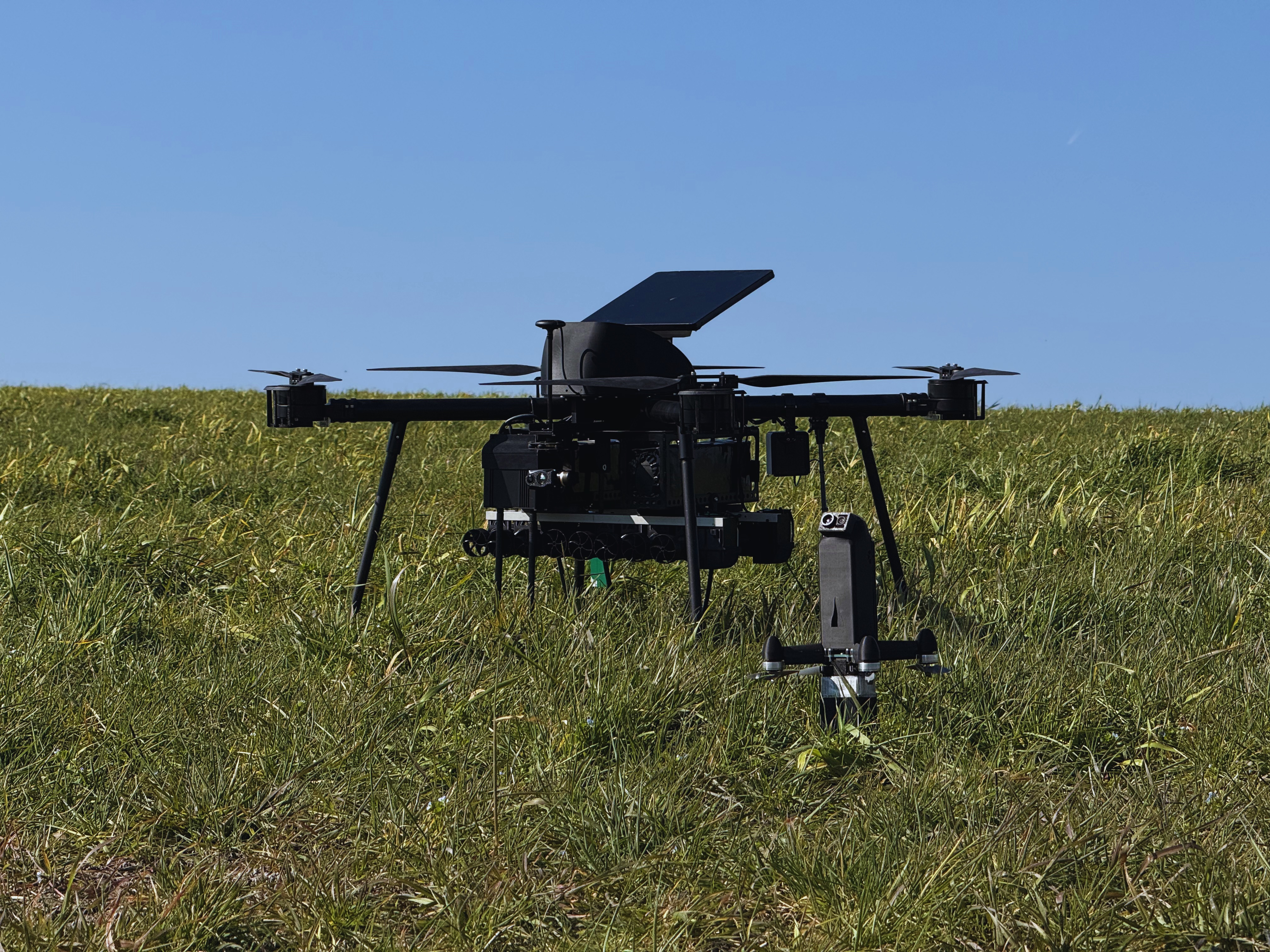
Kestrel is designed for counter-UAS environments where speed, response time, sensor integration and resilient command and control are critical. It is built as a complete system architecture that integrates sensors, command software, launch infrastructure and interceptors into one framework for detecting, tracking and responding to aerial threats in real time.
We have partnered with QinetiQ to integrate their Obsidian radar, adding advanced detection and tracking capability. Reliable sensing is the foundation layer of effective counter-UAS operations. Integrating radar, command systems and interceptors into one architecture reduces operator workload and maintains rapid response in complex environments.
Since completing SAPIENT validation, Kestrel has progressed through further field trials. This has included additional testing with expanded payload configurations on our 7-inch platform, validating performance across a broader range of operational scenarios. These trials are a necessary step in maturing the system ahead of deployment-readiness.
Our software for Kestrel is also under active development. Updates are focused on improving system responsiveness, integration stability and operator interface - the components that determine how effectively a system performs under real operational conditions, not just in controlled environments.
Shadow: proven in combat conditions
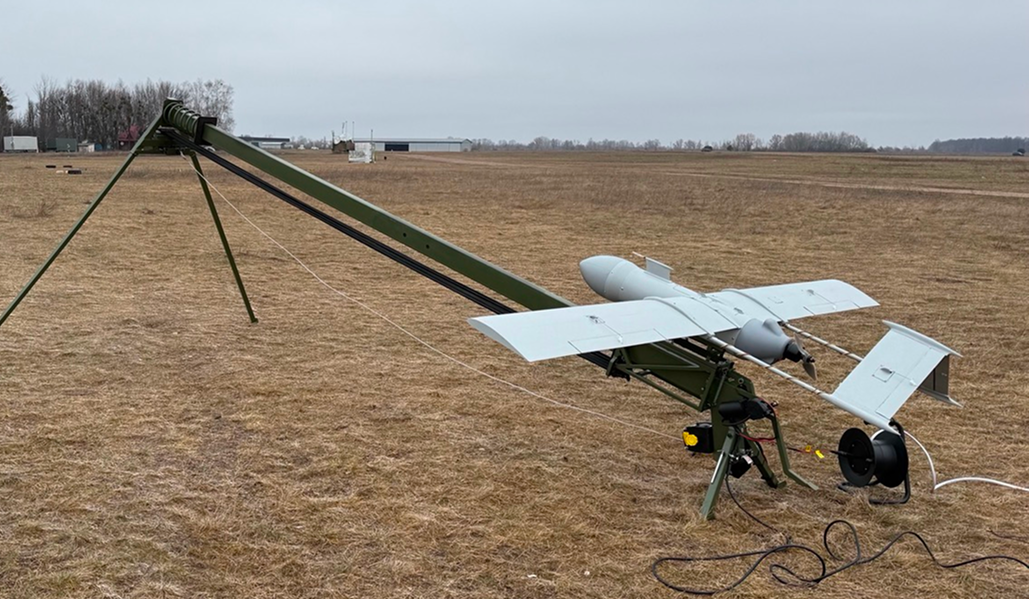
Shadow represents another part of the unmanned ecosystem. Unlike Kestrel, Shadow has already been deployed on the front line in Ukraine. These environments demand reliability, adaptability and operational practicality.
Shadow platforms have conducted thousands of missions in combat conditions, with some UAVs exceeding 300 missions on a single airframe. The system was designed as a modular platform that supports multiple mission profiles. Sensors, payloads and support functions can be integrated, allowing operators to adapt to changing needs.
Shadow's software is also going through active updates. As with Kestrel, this work is driven by operational feedback - ensuring the platform continues to meet the demands of the environments in which it is actually used.
What comes next
We are preparing for a number of upcoming engagements over the coming months. This includes participation in a US-based event focused on counter-UAS capability and allied defence cooperation - an important opportunity given the direction of US-UK standards alignment signalled earlier this year. Further events and exhibitions are also in planning; we will share details closer to the time.
These engagements are not about visibility for its own sake. They are part of how capability gets understood, evaluated and ultimately integrated into operational planning by those who need it.
Integration as a founding principle
Modern defence environments change quickly. Systems must evolve with them. Open architectures like SAPIENT ensure technologies from different organisations can work together when needed.
In defence, capability matters.
Performance matters.
But integration matters just as much.
The systems that make a difference are the ones that fit into the wider mission, work alongside others and remain useful as architectures evolve.
We are grateful to everyone involved in the validation process and the teams who supported testing and evaluation. More importantly, we are proud of the engineers, operators and designers who built systems capable of meeting these standards.
And this is only the beginning.